




Platinum buyers see and buy coins and bars at the GSMU office in Thousand Oaks, California, or order by phone. Every platinum price at the office tracks the live spot market, and the team shows the premium openly. Buyers in Ventura County and nearby Los Angeles County cities can hold each coin or bar before paying.
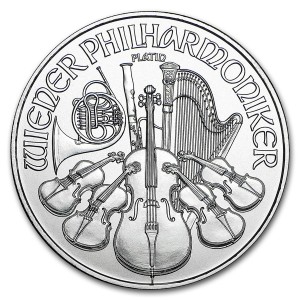
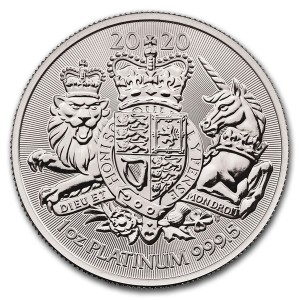
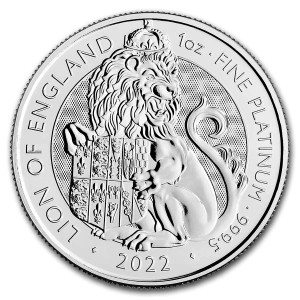
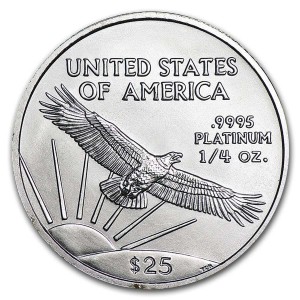
Platinum demand comes from the automotive, chemical and electronics sectors as well as from investor buying. Platinum is rarer than gold in above-ground supply, yet its price has traded at a persistent discount to gold. Platinum products at the office include American Platinum Eagles, Platinum Maple Leafs, Britannias and Valcambi bars. The Precious Metals IRA can hold platinum only when a product meets the IRS eligibility requirements.
Platinum premiums differ by brand and format, so buyers should compare the premium over spot before choosing. The office shows that premium on every quote, which makes a side-by-side comparison of coins and bars simple. This page covers platinum products, brands and premiums, IRS rules for IRA eligibility, storage, authentication and local buying.
Gold Silver Market Update sells platinum from one office at 145 Hodencamp Rd, Ste 208, in the Conejo Valley. The office welcomes walk-ins Monday through Friday, 8:30 AM to 4:30 PM, with no appointment needed. The team carries American Platinum Eagles, Platinum Maple Leafs, Britannias and Valcambi bars for in-person purchase. Platinum prices move all day, so a call ahead confirms the live price and current stock. Local pickup at the office lets Ventura County buyers skip the wait for a mail-order shipment.
Ventura County and nearby Los Angeles County buyers drive to the office, which is the dealer’s only location. Every listed city sits within about 33 minutes of the office, based on the drive times below.
The areas we serve page lists the communities the dealer serves across Ventura and Los Angeles counties. The coin shop page explains how buyers can see coins in person at the office before buying.
California exempts precious metals purchases of 2,000 dollars or more from sales tax, and platinum counts as a precious metal. A platinum order below 2,000 dollars does not qualify for this exemption.
Platinum can sit in a Precious Metals IRA through a local dealer when the product meets IRS eligibility rules. IRS rules, not the dealer, decide which platinum coins and bars qualify for a retirement account. The IRA eligibility section further down this page lists the platinum products that meet those rules. The team walks buyers through each account step, from opening the account to choosing eligible metal.
Platinum buyers can purchase in person at the dealer’s office at 145 Hodencamp Rd, Ste 208. A call to (888) 322-7727 confirms pricing and availability before the visit.
The platinum dealer welcomes walk-ins Monday through Friday, 8:30 AM to 4:30 PM, with no appointment. A quick call ahead lets the team prepare your items and confirm the live price.
The dealer buys platinum as well as selling it, including Platinum Eagles, Platinum Maple Leafs, bars and bullion. The team tests and weighs items in front of the seller and pays the same day by cash or check. The sell precious metals page explains each step of the selling process.
Platinum sits in a strange spot in the precious metals world. It’s rarer than gold — South Africa alone accounts for roughly 70% of global mine supply, versus gold’s much more geographically diversified production — yet it often trades below gold’s spot price, sometimes significantly so. That gap has narrowed and widened over the years depending on automotive demand (platinum is essential in catalytic converters, particularly for diesel engines) and investment flows, but the underlying scarcity story hasn’t changed.
Platinum bullion also gives you diversification that gold and silver alone don’t provide. Because a meaningful share of platinum demand comes from industrial and automotive users rather than jewelry or pure investment, its price behavior doesn’t move in lockstep with gold. For a buyer already holding gold and silver, adding platinum spreads exposure across a genuinely different demand base rather than just doubling down on the same market forces.
Most of the world’s platinum comes from just two countries — South Africa and Russia — and mine output has been essentially flat or declining for years due to aging mines, power disruptions, and rising extraction costs. Recycling (mostly from spent catalytic converters) fills part of the gap, but primary supply constraints are real and well-documented by industry groups like the World Platinum Investment Council. When supply is this concentrated, any disruption — a labor strike, a power crisis, a policy shift — can move the market quickly.
When people talk about buying platinum bullion (bars and coins), they’re really talking about two distinct product families, each suited to a different kind of buyer.
Platinum bars are the go-to choice for buyers focused on stacking the maximum amount of metal per dollar spent. Because bars are simpler to manufacture than coins — no intricate designs, no legal tender status to register with a national mint — they typically carry the lowest premium over spot of any platinum product. Common sizes run from 1 oz up to 10 oz, with major refiners like PAMP Suisse, Credit Suisse, and Valcambi producing assayed bars with sealed certificates of authenticity. If your goal is simply owning as much physical platinum as possible with minimal markup, bars are usually the more efficient route. Browse the current selection of platinum bar products to compare sizes and refiners.
Platinum coins carry a slightly higher premium than bars, but that premium buys you something real: legal tender status backed by a sovereign government, universal recognition, and typically deeper liquidity when it’s time to sell. The American Platinum Eagle, Canadian Platinum Maple Leaf, and Australian Platinum Platypus (part of the broader Australian bullion coin program) are the most actively traded sovereign options. For buyers who value ease of resale and instantly recognizable products over squeezing out the last basis point of premium, coins are usually the better fit. See the full range of platinum coins currently in stock.
For a broader look that includes both formats side by side, the full platinum bullion category covers current inventory across bars and coins together.
Not all platinum products are created equal once you get past the basic “one troy ounce of .9995 fine platinum” spec. Refiner reputation, government backing, and secondary market depth all affect resale ease and, sometimes, the premium you’ll pay upfront.
| Brand / Product | Type | Government Backed | Typical Fineness | Liquidity |
| American Platinum Eagle | Coin | ✅ | .9995 | Very High |
| Canadian Platinum Maple Leaf | Coin | ✅ | .9995 | Very High |
| Australian Platinum Platypus | Coin | ✅ | .9995 | High |
| PAMP Suisse Bar | Bar | ❌ | .9995 | High |
| Credit Suisse Bar | Bar | ❌ | .9995 | High |
| Valcambi Bar | Bar | ❌ | .9995 | Moderate-High |
Sovereign coins carry government backing, which some buyers weight heavily for peace of mind and for IRA-related paperwork simplicity, even though private refiner bars from established names are just as pure and just as authentic. The difference is mostly about brand recognition in the resale market, not underlying metal quality.
The spot price of platinum is simply the current market price for one troy ounce of raw, unfabricated metal. What you actually pay — the premium over spot — covers minting or refining costs, distribution, dealer margin, and in the case of government coins, a small seigniorage fee. Platinum premiums tend to run a bit higher than gold’s on a percentage basis because platinum coin and bar production volumes are lower, meaning fixed manufacturing costs get spread across fewer units.
| Product Type | Typical Size | Relative Premium Level | Best For |
| Platinum Bar | 1 oz | Low | Maximizing ounces per dollar |
| Platinum Bar | 10 oz | Low-Moderate | Larger purchases, lower per-oz cost |
| Platinum Coin (Eagle/Maple) | 1 oz | Moderate | Liquidity and recognizability |
| Fractional Platinum Coin | 1/10 oz – 1/2 oz | Higher | Gifting, smaller entry points |
As a general rule: larger bars carry lower premiums per ounce, sovereign coins carry a modest liquidity premium, and fractional pieces always cost more per ounce of actual metal because the fixed cost of manufacturing doesn’t scale down proportionally. None of this means one product is objectively “better” — it depends on whether your priority is minimizing cost basis or maximizing ease of future resale.
Platinum bullion can be held in a self-directed Precious Metals IRA, but only if it meets a specific purity standard set by federal law. Under IRC Section 408(m), platinum (like palladium) must be at minimum .9995 fine to qualify for IRA custody — a stricter threshold than the .995 fineness required for gold or the .999 fineness required for silver. This distinction trips up a lot of buyers who assume the same purity rule applies across all four metals; it doesn’t, and getting it wrong can jeopardize an IRA’s tax-advantaged status.
In practice, this means American Platinum Eagles, Canadian Platinum Maple Leafs, and most major refiner bars (PAMP, Credit Suisse, Valcambi) already meet the .9995 standard and are IRA-eligible, provided they’re purchased through an approved custodian and stored in an IRS-approved depository — home storage of IRA metals is not permitted under the law. If you’re weighing platinum alongside palladium for a retirement account, know that both share the same .9995 fineness bar, which is one reason the two metals often get bundled together in self-directed IRA discussions. For a full walkthrough of setup, custodians, and rollover mechanics, see our Precious Metals IRA page.
Physical platinum needs the same basic protections as gold or silver — a secure location, whether that’s a home safe rated for burglary and fire, a bank safe deposit box, or a depository account — but authentication deserves special attention because platinum’s density and appearance can be mimicked by tungsten-based fakes in ways that are harder for an untrained eye to catch than with gold. Reputable bars come sealed in tamper-evident assay packaging with a serial number, and sovereign coins carry mint-specific security features (micro-engraving, reeded edges, specific weight tolerances) that make counterfeiting far more difficult to pull off convincingly.
Platinum is a thinner, more specialized market than gold or silver, which makes dealer transparency even more important than usual. At Gold Silver Market Update, every listing is priced off live, verifiable spot data — you’re never guessing what markup you’re paying, because the premium over spot is stated plainly rather than buried in a “call for pricing” model that some dealers still use to obscure margin. That transparency matters most in a metal like platinum where premiums can swing based on refiner availability and mint production schedules.
We operate out of Thousand Oaks, California, giving Ventura County and greater Los Angeles-area buyers the option of an actual local presence rather than a faceless online-only outfit — something that carries real weight when you’re moving meaningful sums into physical metal for the first time. And because we run an active buyback program, buying platinum from us isn’t a one-way transaction; when you’re ready to liquidate part or all of a position, we’re a phone call away rather than a stranger you have to track down. If you’re a business, estate, or high-volume buyer with more complex needs, our Dealer Services page outlines how we support larger transactions.
Not every platinum seller operates the same way, and the differences show up fast once you start comparing quotes. A dealer worth your business should show live, spot-linked pricing rather than static “call for quote” listings, disclose premiums clearly instead of folding them invisibly into a marked-up total, and stand behind a buyback commitment rather than treating the sale as the end of the relationship. Ask about shipping insurance, delivery timelines, and whether the dealer actually holds physical inventory or is dropshipping from a wholesaler — the answers tell you a lot about how the rest of the transaction will go.
Platinum and gold serve different roles rather than one being objectively “better” — platinum’s price is influenced more heavily by industrial and automotive demand, while gold behaves more as a monetary and safe-haven asset. Platinum currently trades at a historically unusual discount to gold, which some buyers view as an opportunity, but that gap can persist or widen depending on industrial demand cycles, so it shouldn’t be treated as a guaranteed narrowing.
Investment-grade platinum bars and coins are almost universally .9995 fine, meaning 99.95% pure platinum. This is the same minimum standard the IRS requires under IRC Section 408(m) for platinum held in a self-directed IRA, so standard bullion-grade product already meets the retirement account threshold.
Sovereign platinum coins like the American Platinum Eagle or Canadian Platinum Maple Leaf are generally easier for first-time buyers because they’re instantly recognizable, government-backed, and simple to resell later. Bars offer a lower premium over spot, which appeals more to buyers focused purely on maximizing ounces per dollar rather than on ease of eventual resale.
Yes — platinum bullion meeting the .9995 minimum fineness under IRC Section 408(m) can be held in a self-directed Precious Metals IRA through an approved custodian and stored at an IRS-approved depository. Home storage of IRA-held platinum is not permitted, regardless of how secure your personal storage setup might be.
This comes down to differing demand drivers rather than platinum being any less rare — in fact, platinum is mined in far smaller quantities annually than gold. Gold’s price is driven heavily by central bank buying, currency hedging, and jewelry demand across a huge global base, while platinum’s price leans more on industrial and automotive catalytic converter demand, which has softened at times as electric vehicle adoption grows, pressuring platinum’s price relative to gold.
Reputable platinum bars ship in sealed, tamper-evident assay packaging with a serial number matching a certificate of authenticity, and sovereign coins carry mint-specific security features that are difficult to replicate. Buying only from an established, transparent dealer — and keeping original packaging and paperwork — is the single most reliable way to protect yourself from counterfeit or mislabeled product.
There’s no universal answer — it depends on your budget and your goals. Smaller 1 oz coins and bars offer flexibility and easier resale in smaller increments, while larger bars (5 oz, 10 oz) reduce your premium per ounce but require selling a bigger chunk of value at once if you need liquidity.
Not always in lockstep. Platinum has its own supply and demand fundamentals tied to mining concentration in South Africa and Russia and to automotive/industrial usage, so its price can diverge meaningfully from gold and silver during certain market cycles even though all three are quoted and traded as precious metals.
Ready to add platinum bars or coins to your holdings? Browse our current inventory of platinum bullion, priced transparently off today’s live spot, and reach out if you have questions about sizes, premiums, or IRA eligibility before you buy.
Every item below is priced against the live spot market with the premium shown, and can be inspected at the office before you pay.
